


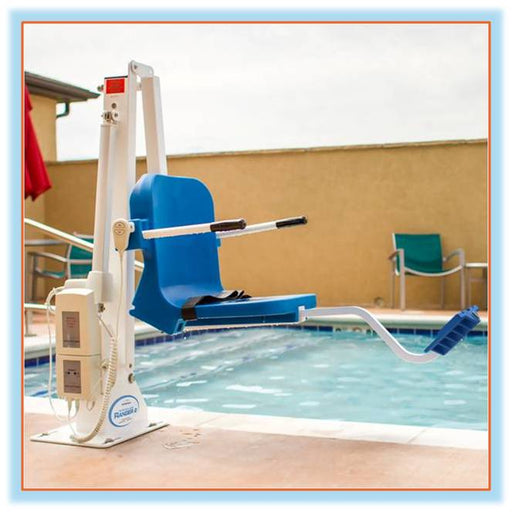
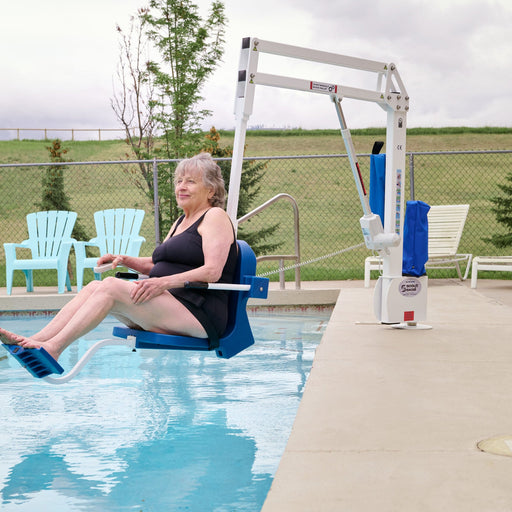

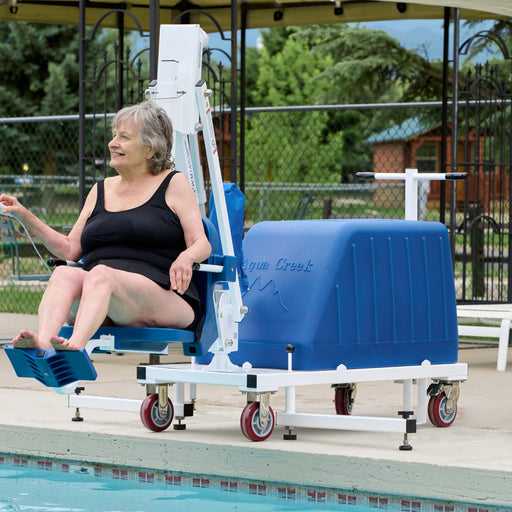

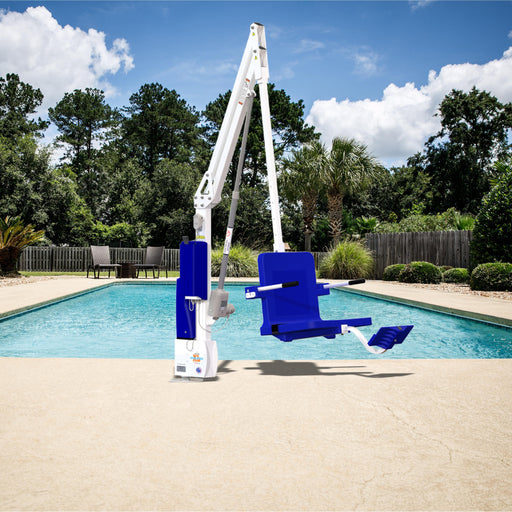
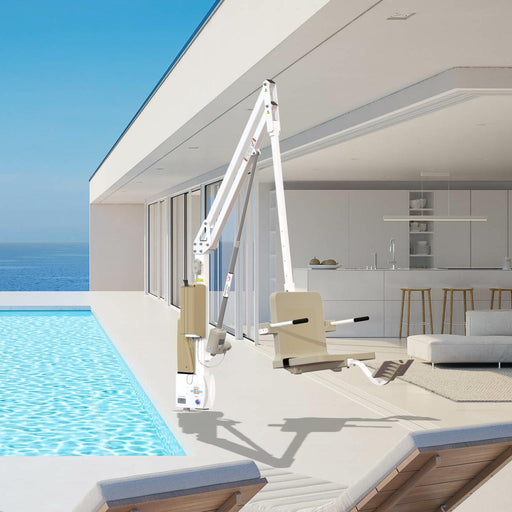

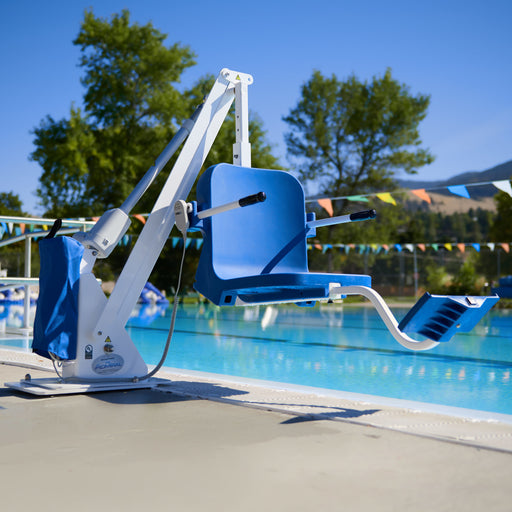
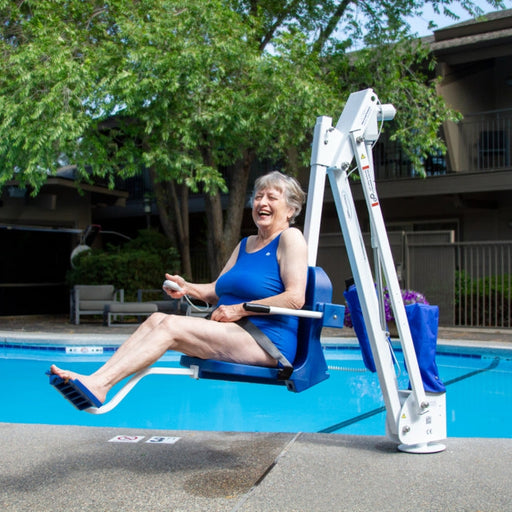
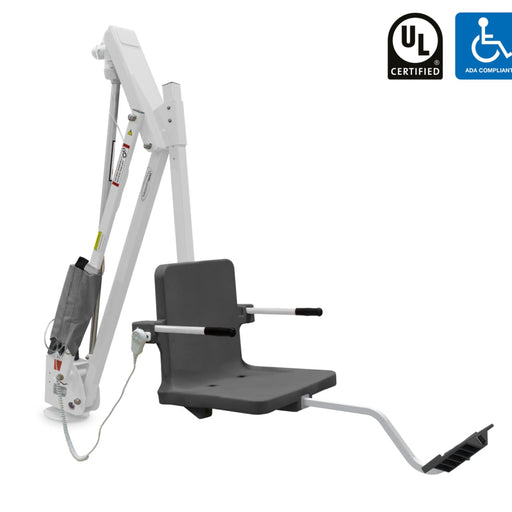


ADA pool lifts provide safe, independent water access for individuals with limited mobility. Required under the Americans with Disabilities Act for public and commercial pools, they help facilities meet federal accessibility standards while creating a more inclusive aquatic environment for guests, residents, and members.
Common use cases include:
- Hotels and resorts maintaining ADA compliance across pools, spas, and hot tubs.
- Municipal and community pools ensuring equal access for all residents.
- Schools and universities meeting accessibility requirements for aquatic programs.
- Rehabilitation and therapy centers facilitating safe water entry for patients.
- Apartment communities and HOAs adding compliant access to shared pool amenities.
When evaluating pool lifts, start with the pool type and placement. Consider deck space, pool wall height, coping style, and whether the lift needs to serve a pool, spa, or both. ADA compliance requires a minimum 300-pound weight capacity and operation without an attendant, so verify that any lift meets current federal guidelines. Look for corrosion-resistant materials rated for constant water and chemical exposure, battery-powered operation for safety, and a stable, anchored mounting system. Factor in deck reinforcement, electrical requirements, and ongoing maintenance like battery replacement and inspections.
To narrow your options quickly, use filters and side-by-side comparisons to match lifts to:
- Lift type (fixed, portable, semi-portable)
- Weight capacity and seat style
- Pool type (in-ground, above-ground, spa, water feature)
- Power source (battery, manual hydraulic)
- Mounting and anchoring requirements
- Compliance certifications and warranty coverage
Not sure which type? Read our guide → Complete Buyer's Guide to ADA Pool Lifts