


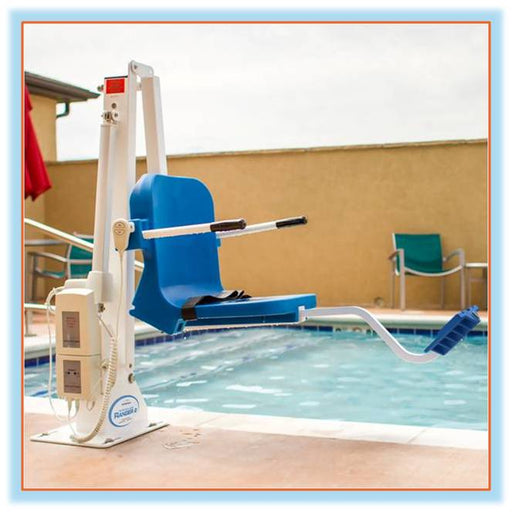
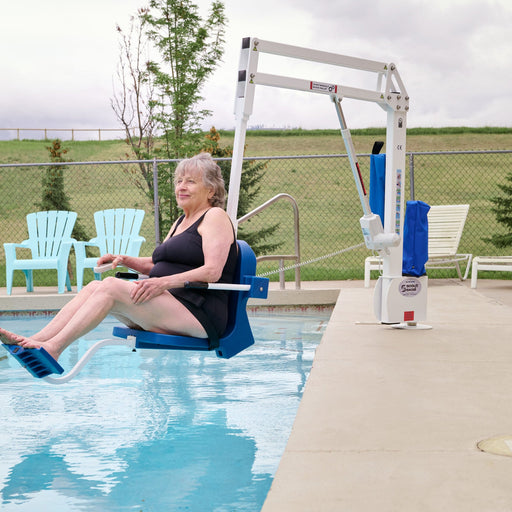
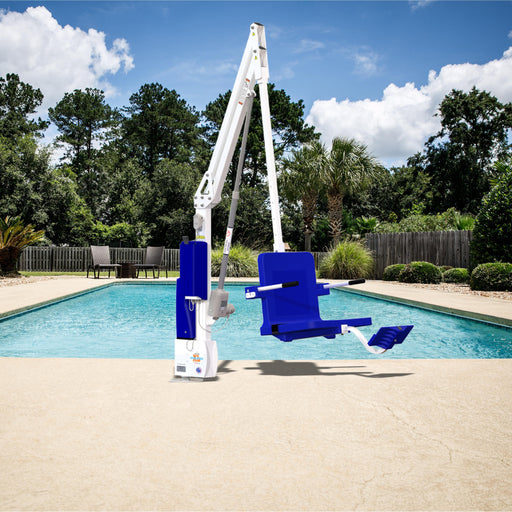
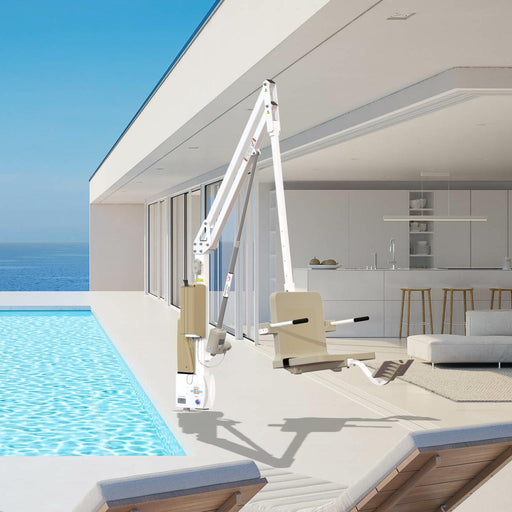
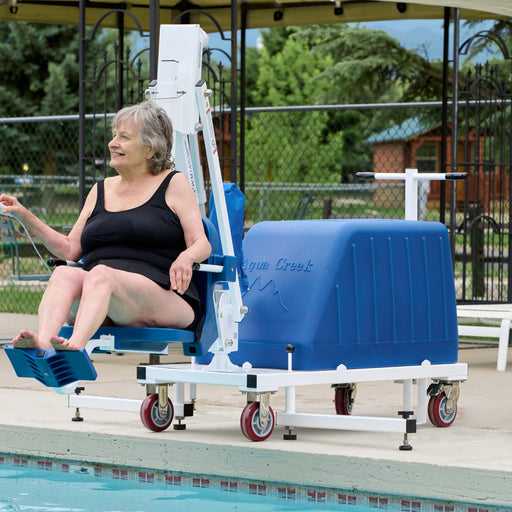
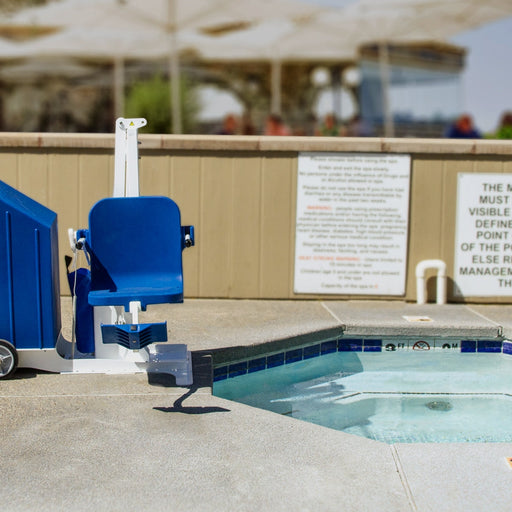



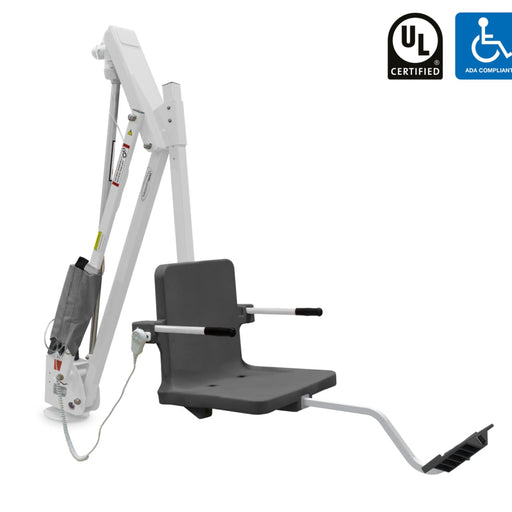
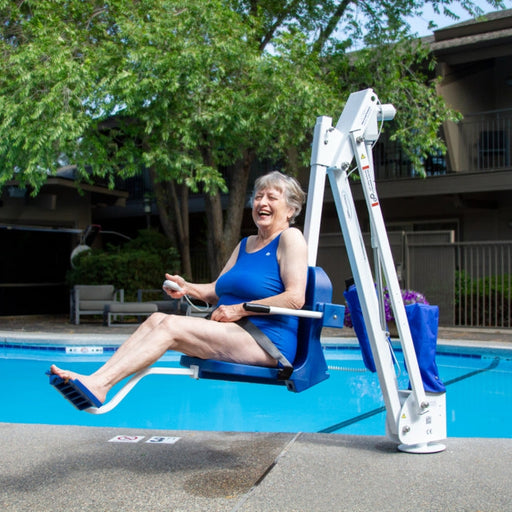
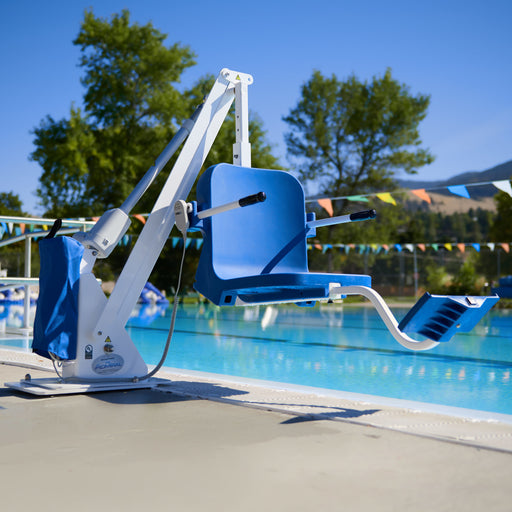


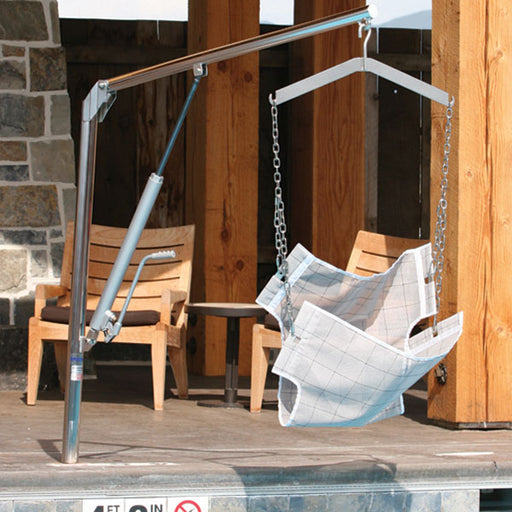


Pool lifts make water entry and exit easier and safer for users with limited mobility, injuries, or age-related challenges. Whether fixed or portable, ADA-compliant or designed for personal use, they serve a wide range of aquatic environments and user needs—from large commercial facilities to backyard pools and therapy settings.
Common use cases include:
- Hotels, resorts, and waterparks providing accessible entry across multiple water features.
- Municipal and community pools serving diverse populations with varying mobility levels.
- Rehabilitation and therapy facilities enabling controlled water access for patients.
- Residential pools supporting aging-in-place or recovery needs at home.
- Cruise ships and athletic facilities offering flexible, portable access solutions.
When evaluating pool lifts, start with the environment and the user. Consider whether the lift needs to be permanently installed or moved between locations, the pool wall height and deck configuration, and whether ADA compliance is required. Weight capacity, seat design, and lowering depth all affect usability. Fixed lifts offer the most stability and are typically required for ADA compliance, while portable and semi-portable options add flexibility for multi-pool facilities or seasonal use. Look at power source (battery, hydraulic, manual), corrosion resistance, and how easily the lift can be operated independently.
To narrow your options quickly, use filters and side-by-side comparisons to match lifts to:
- Lift type (fixed, portable, semi-portable)
- Compliance needs (ADA-compliant vs. non-regulated use)
- Weight capacity and seat configuration
- Pool type (in-ground, above-ground, spa, therapy pool)
- Power source (battery-powered, manual hydraulic, water-powered)
- Installation requirements (deck anchor, no-anchor, rail-mount)
- Indoor vs. outdoor use and material ratings
Not sure which type? Read our guide → Complete Buyer's Guide to Pool Lifts